Compare Local Contractors for Rail Fence Installation Success
Compare local contractors for rail fence installation to define project scope, verify experience, and set clear expectations in writing for a successful outcome.
Rail fence installation is a common project for property owners looking to define boundaries, enhance privacy, or improve the aesthetic appeal of outdoor spaces. This type of work typically involves planning the layout, selecting appropriate materials, and constructing a fence that aligns with the property's needs and local regulations. Contractors experienced in rail fence installation often handle tasks such as measuring and marking the site, digging post holes, setting the posts securely, and attaching the rails and pickets to create a sturdy, long-lasting fence. Clear communication about the scope of work ensures that both property owners and contractors are aligned on expectations, materials, and the overall design.
Defining the scope of a rail fence project is an essential step in ensuring a successful outcome. Property owners should consider specific details such as the length and height of the fence, the type of wood or materials preferred, and any additional features like gates or decorative elements. Having a detailed scope helps prevent misunderstandings and provides a basis for comparing different service providers. When discussing the project with potential contractors, it’s important to verify their experience with similar installations and to ask about their process for handling unexpected challenges or modifications. Documenting the scope in writing can serve as a reference throughout the project, helping to keep the work on track and aligned with the original plan.
Comparing local contractors for rail fence installation involves evaluating their experience, reputation, and approach to the work. Property owners can start by reviewing the credentials and portfolios of nearby service providers to assess their familiarity with the type of fencing desired. Asking for references or examples of past projects can provide insight into their workmanship and reliability. It’s also valuable to understand how each contractor plans to approach the scope of the project, including materials, construction methods, and communication practices. By gathering this information and clarifying expectations upfront, property owners can make informed decisions when selecting a contractor capable of delivering a quality rail fence that meets their needs.
Compare local contractors by outlining project priorities, verifying experience, and clearly defining scope and expectations in writing.
- Compare Contractor Experience - Review the backgrounds of local contractors to ensure relevant experience with rail fence installation.
- Define Project Scope Clearly - Outline specific details and expectations to help contractors understand the work required.
- Verify Credentials and References - Check references and previous work to assess the reliability of potential service providers.
- Document Agreements in Writing - Ensure all project details, scope, and expectations are confirmed through written agreements.
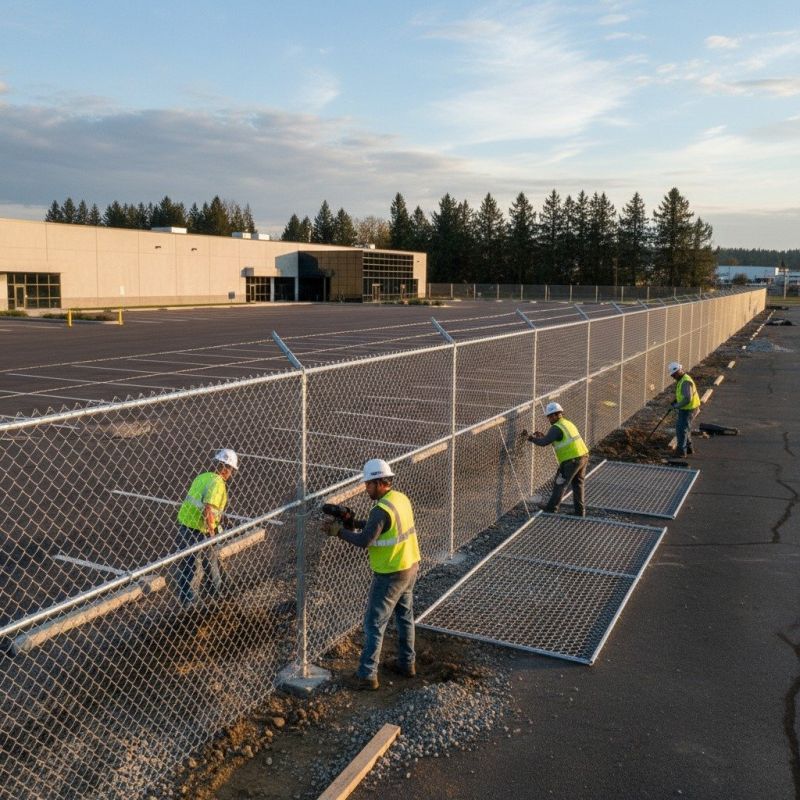
Before comparing local contractors for rail fence installation, clearly define your project scope and verify their experience.
- Verify experience and expertise in rail fence installation with local contractors. - Ensure contractors have a proven track record of completing similar fencing projects successfully.
- Compare scope of work and materials included in each contractor’s proposal. - Clarify what is covered to avoid misunderstandings and ensure all expectations are documented.
- Discuss the design options and fencing styles available to match the property’s aesthetic. - Confirm that contractors can accommodate specific design preferences and requirements.
- Check references or reviews to assess the quality of previous rail fence installations. - Gather feedback from past clients to gauge reliability and craftsmanship.
- Define project scope and specifications in writing before work begins. - Clearly outline the responsibilities, materials, and standards expected for the job.
- Confirm that the contractor understands and agrees to the project scope and expectations. - Ensure all details are agreed upon and documented to prevent scope creep or misunderstandings.
Compare local contractors' experience and clarify project scope to ensure expectations are aligned.
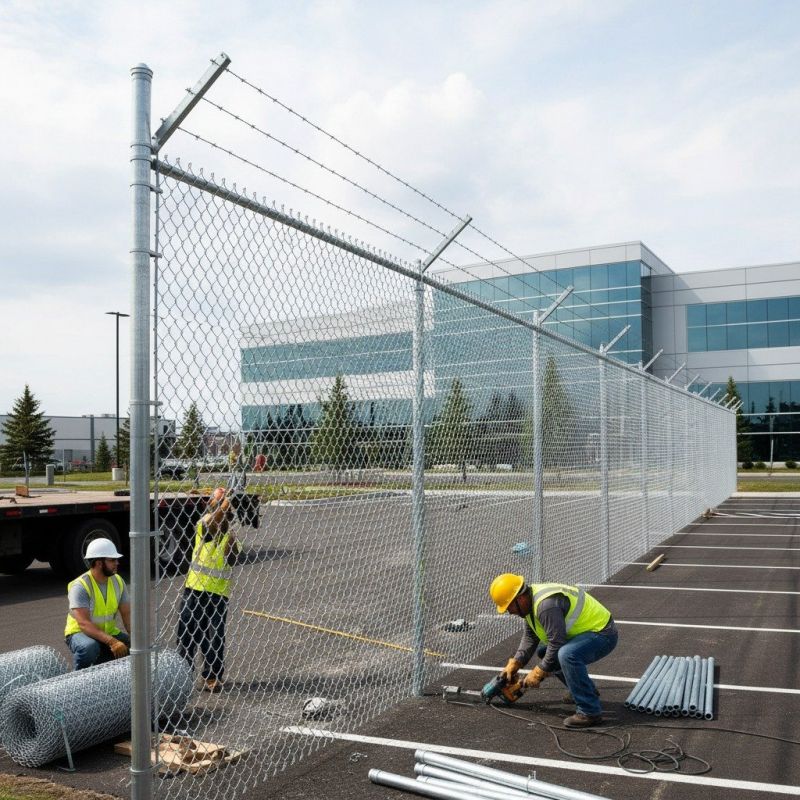

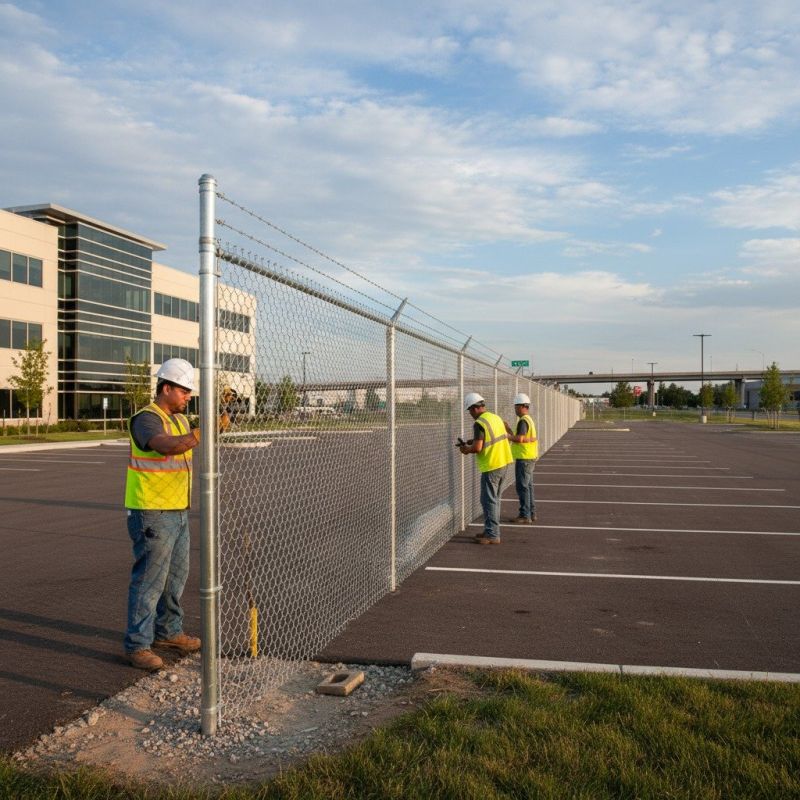
Learn how to compare local contractors, define project scope, verify experience, and set clear expectations in writing.
- Define project scope - clearly outline the size, design, and materials for the rail fence installation.
- Verify experience - ensure the service providers have relevant experience with rail fence projects.
- Establish communication expectations - specify how updates and inquiries will be handled throughout the project.
- Determine scope details in writing - document the agreed-upon work, materials, and responsibilities to prevent misunderstandings.
- Compare local contractors - evaluate multiple service providers based on their scope definitions and project approach.
Experience with similar projects is a key factor when comparing contractors for rail fence installation. Homeowners should inquire about the types of fencing projects a service provider has completed, paying attention to the complexity and scale of those jobs. Contractors with a history of installing rail fences in environments similar to the homeowner’s property-whether rural, suburban, or urban-are more likely to understand the specific requirements and challenges involved. Verifying a contractor’s background in comparable projects can help ensure that they possess the relevant skills and knowledge to deliver a quality result.
Having a clear, written scope of work is essential for establishing mutual understanding and setting expectations. Homeowners should seek detailed descriptions of what the installation includes-such as the type of materials, fence height, number of posts, and any additional features. A well-defined scope helps prevent misunderstandings and provides a basis for evaluating whether a contractor’s approach aligns with the homeowner’s needs. Clarifying these details in writing also serves as a reference point throughout the project, promoting transparency and accountability.
Verification of a contractor’s experience can be supported by asking for references or examples of completed projects similar to the rail fence desired. Homeowners should consider speaking with previous clients or reviewing portfolios to assess the quality of workmanship and professionalism. It’s also helpful to confirm that the contractor has the necessary skills for tasks such as proper post setting, material handling, and finishing techniques. This step helps ensure that the service provider has a proven track record of successful installations, reducing the risk of issues during or after the project.
When evaluating options among local contractors, it’s important to compare how each one defines the scope of work, their experience with similar projects, and their approach to quality assurance. Homeowners should ask detailed questions about the methods and materials used, and request written descriptions of the work process. By doing so, they can better understand each contractor’s capabilities and approach, making it easier to select a service provider who can meet the specific requirements of the rail fence installation. This careful comparison helps ensure that the project proceeds smoothly and results in a durable, well-constructed fence.
Ask contractors to provide written scope details to ensure clear expectations and consistent project understanding.
- **Experience and Expertise** - What specific experience do local contractors have with rail fence installation projects?
- **Scope of Work** - How do contractors define and clarify the scope of the rail fence installation before starting?
- **Materials and Methods** - What materials and construction methods do the service providers typically use for rail fences?
- **Project Expectations** - How do local contractors ensure that project expectations are clearly documented and understood?
- **Comparison Criteria** - What key factors should be considered when comparing different local contractors for rail fence installation?
What should I consider when choosing a contractor for rail fence installation? It's important to compare local contractors based on their experience, reputation, and the scope of services they offer. Ensuring clear communication about project details helps set proper expectations.
How can I verify a contractor’s experience with rail fence projects? Review their portfolio, ask for references, or check for any relevant work history to ensure they have the necessary background for your specific fencing needs.
What questions should I ask a contractor before hiring for rail fence installation? Inquire about their previous experience, the materials they recommend, and how they handle project scope and timelines to ensure alignment with your expectations.
How important is it to have the project scope in writing? Having a detailed, written scope helps prevent misunderstandings, clarifies responsibilities, and ensures both parties agree on the work to be completed.
What factors can help me compare different local contractors for rail fence installation? Consider their experience, reputation, scope of services, and how well they communicate and define project details in writing to determine the best fit.
Why is it beneficial to define project expectations clearly before starting work? Clear expectations help ensure the project proceeds smoothly, reduces the chance of disputes, and aligns the work with your specific requirements.
Visitors now have a clear understanding of how to find qualified contractors for rail fence installation by comparing local service providers, defining the scope of work, verifying experience, and establishing clear expectations in writing. This approach helps ensure that the project aligns with specific needs and reduces the potential for misunderstandings. Utilizing the quote form allows for easy comparison of options and facilitates connections with trusted local contractors who can handle the job professionally.
Encouraging the use of the quote form provides a straightforward way to explore available options and gather information to make informed decisions. By reaching out through the form, visitors can easily connect with experienced local contractors, helping to streamline the process of selecting the right service provider for rail fence installation.